Commercial Moves in Queens Park
If you are planning Commercial Moves in Queens Park, you need more than a van and a few boxes. Businesses in this part of London often work to tight schedules, share access with neighbours, manage limited parking, and need a move that keeps disruption to a minimum. Whether you are relocating a small office, moving a retail unit, shifting a studio workspace, or reorganising a growing business, the right team can make the process smoother, safer, and far less stressful.
Queens Park has a mix of commercial spaces that can create very different moving challenges. You may be leaving a compact office above a parade of shops, moving equipment from a shared workspace, or relocating stock from a small business premises with narrow stairways and busy surrounding roads. A local commercial removals service understands these conditions and can plan around them. That local knowledge matters when timing, access, and care all need to work together.
Our aim is to help local businesses move efficiently, protect their equipment and furniture, and get back to work quickly. From the first enquiry through to final placement at the new premises, we focus on practical support, clear communication, and a flexible service shaped around real business needs. Contact us today to discuss your move and arrange a quote tailored to your requirements.
Why Commercial Moves in Queens Park Need Local Planning

Commercial relocation is different from a household move because it often involves business continuity, equipment handling, data-sensitive items, stock management, and coordination with staff or clients. In Queens Park, planning can be affected by road layout, restricted loading space, resident parking controls, and building access that is not always ideal for large vehicles. The better the planning, the less downtime you face.
Many businesses in the area operate from converted terraces, mixed-use buildings, small offices, clinics, studios, and independent retail premises. These buildings may have shared entrances, narrow internal corridors, or upper-floor workspaces. Moving out of or into these spaces requires careful route planning, correct lifting techniques, and a team that knows how to protect walls, floors, and doorways during the move.
Local customers also appreciate a removals team that can adapt to real-world issues on the day. A delivery truck blocking a road, a lift being out of service, or a delayed key handover can all affect timing. When you choose a team familiar with Queens Park and nearby neighbourhoods, you get a service that is better prepared for those small but important complications.
What We Help Move

Commercial moves can cover a wide range of business types and contents. Some jobs involve a few desks and filing cabinets, while others include bulky retail fixtures, IT systems, office archives, or specialist equipment. The moving process should be adjusted to suit the nature of the business, not forced into a one-size-fits-all approach.
Typical items handled during business relocations include:
- Office desks, chairs, pedestals, and conference tables
- Computers, monitors, printers, and peripheral equipment
- Archive boxes, files, and document storage
- Retail shelving, counters, and display units
- Workshop tools, storage racks, and light machinery
- Kitchen and hospitality furniture
- Reception furniture and waiting area seating
- Stock, supplies, and packed business assets
Many customers also need support with delicate or awkward items that require extra care, such as glass-fronted cabinets, IT servers, specialist instruments, or branded fixtures. If there are items that need special handling, it is best to mention them early so the move can be properly planned.
Important: every commercial property is different. A careful assessment of access, contents, and timing helps determine the best approach for moving day.
Who Our Service Is Suited To

Queens Park businesses come in many forms, and each has different priorities. Some need an overnight move with minimal disruption. Others are happy to move in stages over several days. Some need help with large, heavy furniture, while others are mainly concerned about IT equipment and important paperwork. Our service is built to support all of these needs in a practical way.
We regularly help local commercial customers such as:
- Small offices relocating within Queens Park or to nearby areas
- Independent shops and retail units moving stock, fixtures, and displays
- Creative studios with equipment, shelving, and work surfaces
- Consulting and professional practices handling desks, records, and client-facing furniture
- Hospitality businesses moving seating, counters, and back-of-house furniture
- Shared workspaces requiring staged removal or setup support
We also understand that some business moves involve more than one location. For example, a company may be moving part of its stock to storage, transferring office furniture to a second site, or clearing a room for refurbishment before reopening. If your project has multiple stages, it helps to plan those stages in advance so the move remains efficient.
For many local customers, the main concern is not just the physical move but the impact on trading hours, staff schedules, and access for clients. A good removals plan can reduce that impact considerably.
What Is Included in a Commercial Move

Different moves require different levels of support, but a reliable commercial removals service normally includes the core tasks that make the move manageable from start to finish. The aim is to keep the process organised and to reduce pressure on your team.
Common elements of the service may include:
- Initial discussion of business requirements and move size
- Assessment of access, parking, and loading conditions
- Planning for disassembly and reassembly where needed
- Protection for items, floors, and building features
- Safe lifting and loading by trained movers
- Transport between the old and new premises
- Placement of items in the correct rooms or zones
- Optional handling of heavy or awkward furniture
- Support for staged moves, out-of-hours moves, or weekend moves where available
Some businesses also prefer help with sorting items before the move, labelling boxes by department, or separating equipment for disposal, storage, and relocation. These practical details can make the whole process much easier once you arrive at the new premises.
Tip for local businesses: if your move involves computers, phones, or sensitive records, consider appointing an internal contact person to oversee packing and item labelling. That simple step can save time during unpacking.
How Commercial Moves in Queens Park Usually Work
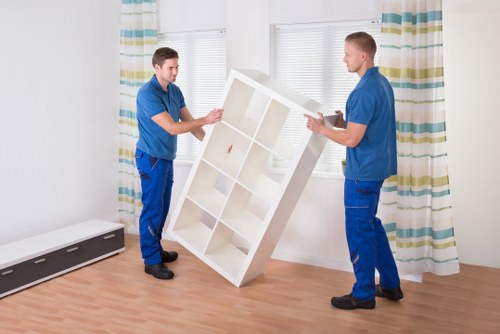
A structured process helps keep a business move under control. While every relocation is different, most commercial moves follow a similar sequence. Knowing what to expect can make it easier to prepare staff, set expectations, and avoid last-minute problems.
The usual process may look like this:
- Initial enquiry – You explain the type of business, the premises involved, and the scale of the move.
- Move assessment – Details such as access, parking, floor level, lift use, and item volume are reviewed.
- Quote and scheduling – A service plan is arranged around your preferred date, timing, and move requirements.
- Preparation – Boxes are labelled, furniture is prepared, and staff are briefed on what needs to be packed or disconnected.
- Moving day – Items are loaded safely, transported, and placed as required at the new site.
- Set-down – Furniture and boxes are positioned in the correct areas to help you resume work sooner.
For some businesses, the move may also include a pre-move clearance of items that are no longer needed. For others, the work may involve a phased relocation where one department moves at a time. The key is flexibility. A well-planned move should suit your schedule rather than forcing your business to stop working entirely.
Request a free quote if you want a clearer idea of how the service can be adapted to your location, contents, and timing.
Local Knowledge Matters in Queens Park
Queens Park is a distinctive area with a mix of residential streets, busy local routes, and commercial properties that often sit close to homes, schools, and independent businesses. That means access must be managed thoughtfully. A local removals team understands the practical realities of loading near controlled parking zones, navigating tighter roads, and working around neighbouring properties without causing unnecessary disruption.
For customers moving from nearby areas such as Kilburn, Maida Vale, Kensal Rise, Brondesbury, West Hampstead, or Paddington, local experience can make a real difference. The route may be short, but that does not mean the move is simple. Traffic, kerb access, and timing still matter, especially when you are working around office hours or customer appointments.
Another reason local knowledge helps is that business properties in and around Queens Park may have different access conditions depending on the street, building age, and use of upper floors. A team familiar with the area can anticipate when extra carrying distance, smaller vehicle access, or additional protection may be needed. That helps protect your property and your time.
Access and Parking Challenges to Expect
One of the biggest concerns during business relocation is whether vehicles can park or unload near the premises. In Queens Park, this can be affected by narrow roads, resident parking restrictions, busy local streets, and limited stopping space. It is important to plan for this early rather than leaving it until moving day.
Common access issues include:
- Limited loading bays or restricted stopping zones
- Shared entrances or narrow staircases
- Upper-floor offices without lift access
- Long carrying distances from vehicle to building
- Busy roads where unloading needs to be timed carefully
- Properties with delicate floors or tight internal turns
A good local removal plan will take these points into account before the move begins. This may mean arranging the right size vehicle, choosing a less busy collection time, using additional staff for carrying, or preparing protective materials for floors and entrances. These small adjustments can prevent delays and reduce the chance of accidental damage.
For businesses that must continue operating during part of the move, access planning becomes even more important. The goal is to keep customer-facing areas safe and functional while equipment is moved in a controlled way.
Preparing Your Business for Moving Day
Preparation is one of the best ways to make a commercial relocation less stressful. Even if the removals team is handling the heavy lifting, your business will benefit from a clear packing and labelling plan. The more organised your items are before the move, the easier it will be to unpack and settle into the new space.
Here is a practical preparation checklist:
- Tell staff what is being moved and what must stay in place until the end
- Back up digital files and secure any important data
- Label boxes by room, department, or priority level
- Separate items that should travel with key personnel
- Disconnect equipment safely or arrange for qualified support if needed
- Empty drawers, cabinets, and shelves where possible
- Set aside items that are fragile, confidential, or high value
- Check building access arrangements at both locations
- Reserve lifts, if applicable, and confirm any building rules
- Remove personal items, loose clutter, and unnecessary waste
It can also help to create a simple floor plan for the new premises. If desks, chairs, storage, and boxes have a planned destination, set-up becomes much faster. This is especially useful for larger offices or business premises with several rooms.
Book your service now if you want support with a move that is organised from the outset and tailored to your business setup.
Pricing Factors for Commercial Removals
Business customers often want to know what influences the cost of a move. While exact prices depend on the job, there are common factors that affect the level of work involved. Understanding these factors makes it easier to compare quotes and plan your budget more realistically.
Typical pricing factors include:
- Size of the move – The number of items, boxes, and furniture pieces involved
- Access conditions – Stairs, lifts, parking, carrying distance, and loading restrictions
- Distance between properties – Even short local moves require transport time and loading time
- Special handling – Heavy equipment, fragile items, or unusual furniture may need extra care
- Timing requirements – Weekend, evening, or out-of-hours moves may need different scheduling
- Disassembly and reassembly – Some office and retail furniture needs to be taken apart and rebuilt
- Additional support – Packing help, staging, clearance, or multiple stops may affect the final scope
When asking for a quote, it helps to be as detailed as possible about the contents and the layout of both premises. That allows the removals team to recommend an appropriate setup for the job. Clear information also reduces the chance of surprises on the day.
Please note: every business move is different, so the most useful quote is one that reflects the real access conditions and service level you need.
Why Choose a Local Commercial Moving Team
Choosing a local company for Commercial Moves in Queens Park offers practical benefits that are hard to ignore. A local team is usually more familiar with surrounding streets, traffic patterns, parking conditions, and the kind of properties found across the area. That familiarity supports smoother planning and better problem-solving.
Local movers are also easier to schedule for site visits, short-notice changes, or phased moves. If your business needs to adapt the plan due to staff availability, handover timing, or building access, a nearby team can often respond more flexibly. That can be especially useful for small companies that do not have a large facilities department managing the relocation.
Another advantage is the ability to coordinate local logistics more efficiently. A team that regularly works in Queens Park, Kilburn, Maida Vale, and nearby districts is more likely to understand the practical side of moving in London: road restrictions, time pressures, and the need to minimise disruption for both customers and neighbours.
In short: local experience supports a better moving day, especially when your premises are compact, access is tight, or your business cannot afford unnecessary delay.
Types of Moves We Commonly Handle
Commercial moving needs can vary widely. Some businesses are relocating to a bigger unit. Others are downsizing, moving to a better layout, or shifting into temporary premises while refurbishment takes place. Whatever the reason, the service should be built around your operational requirements.
Common move types include:
- Office relocations for small and medium-sized businesses
- Retail moves involving stock, shelving, and display furniture
- Studio and creative workspace moves
- Clinic and practice relocations with furniture and equipment
- Multi-room business moves where each area has different needs
- Partial moves where only certain departments or items are transported
- Temporary relocation support during fitting, repair, or refurbishment work
Some businesses only need a few key pieces moved quickly and carefully. Others need a full site-to-site relocation with a detailed handover plan. The right service should reflect the scale and urgency of the job, not make you adapt to an inflexible process.
What Helps the Move Run Smoothly
Although each move is unique, a few habits make the process far easier. Clear instructions, labelled items, and early communication all reduce confusion. If several people are involved, make sure everyone knows who is responsible for what. That avoids duplicated effort and missing items.
It is also sensible to keep a simple inventory for important equipment and business-critical documents. This is particularly helpful for offices, clinics, and shops where items need to be placed in the correct order for reopening. A small amount of organisation before moving day often saves several hours afterward.
Need help planning? Contact us today to discuss the practical side of your move and what support would be most useful.
Areas Covered Around Queens Park
Businesses in Queens Park often need to move within the local area or to neighbouring districts. Short-distance commercial relocation is still a detailed job, especially when traffic, parking, and access are part of the equation. A local service can help with moves across nearby residential and mixed-use streets as well as business premises slightly further afield.
Areas commonly covered include:
- Queens Park
- Kensal Rise
- Kilburn
- Maida Vale
- Brondesbury
- West Hampstead
- Paddington
- Nearby parts of North West London
If your business is moving between nearby locations, the advantage is often not distance but efficiency. A well-planned local move can reduce vehicle time, improve scheduling, and make it easier to handle access issues that would otherwise slow everything down.
Whether you are moving to a larger office, a more visible retail unit, or a better-suited workspace, local support helps keep the process straightforward.
Frequently Asked Questions
How far in advance should I arrange a commercial move?
It is best to make enquiries as early as possible, especially if your move needs to happen on a specific date or outside normal business hours. Early planning gives more time to assess access, organise packing, and coordinate staff responsibilities.
Can you help with small business moves?
Yes. Small offices, independent shops, and compact workspaces often benefit most from a removals team that can work efficiently in tight spaces and keep disruption low. Even a short move can be time-sensitive and benefit from professional support.
What if my premises have stairs or no lift?
That is very common in Queens Park and nearby areas. Stairs, narrow landings, and upper-floor premises are all manageable with the right planning. It is important to mention access details in advance so the move can be organised properly.
Can the move be done outside normal working hours?
Many businesses prefer evenings, weekends, or other quieter times to reduce disruption. Availability depends on the specific job and scheduling, so it is worth discussing your preferred timing during the enquiry stage.
Do I need to pack everything myself?
That depends on the service level you want. Some businesses prefer to pack internally, while others need help with selected items or a fuller packing arrangement. Labelling and preparation usually make the move easier regardless of who packs the boxes.
What if we need to move in stages?
Staged moves are common, especially for businesses that want to remain operational while relocating. Items can be moved by department, floor, or priority level, depending on what works best for your business.
How do I get a quote?
Provide details about the premises, contents, access conditions, preferred date, and any special requirements. The more accurate the information, the more useful the quote will be. Request a free quote when you are ready to begin planning.
Choosing the Right Partner for Your Business Relocation
Commercial relocation is a practical task, but it is also a business decision. You are not only moving furniture; you are protecting your equipment, preserving your time, and aiming to keep work moving with as little interruption as possible. That is why the right removals team should be organised, flexible, careful, and able to work around the realities of Queens Park properties.
Look for a service that listens carefully, asks the right questions, and takes your access and timing needs seriously. A good moving plan should be based on the size of your business, the nature of your premises, and the way you need the relocation to support your next stage of trading. If you are moving from a busy street, a shared building, or an upper-floor office, these details matter even more.
Commercial Moves in Queens Park should feel controlled, efficient, and tailored to local conditions. With thoughtful planning and the right support, your move can be completed with less disruption and more confidence. If you are preparing for a relocation, book your service now and take the first step toward a smoother move for your business.