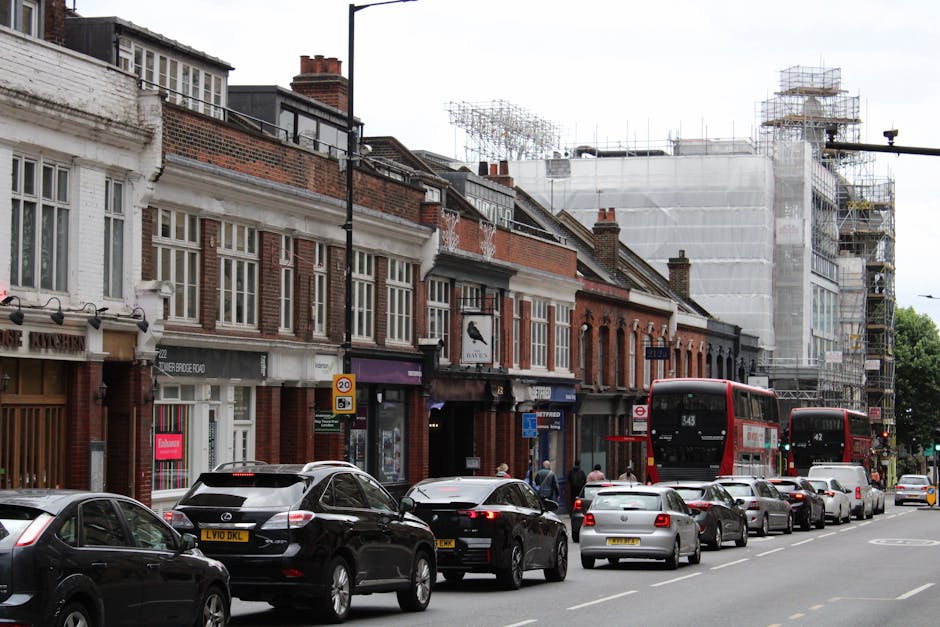
Removals Salusbury Road Queens Park NW6 tips
If you are planning a move around Salusbury Road in Queens Park, NW6, a little local know-how can save you a lot of hassle. Streets in this part of North West London can be busy, parking can be tight, and the difference between a calm moving day and a stressful one often comes down to preparation. These Removals Salusbury Road Queens Park NW6 tips are designed to help you plan properly, avoid common pitfalls, and make sensible choices whether you are moving from a flat, a family house, or a small office. A good move is rarely about luck. It is usually about timing, access, packing, and choosing the right kind of service for the job.
In this guide, you will find practical advice, step-by-step guidance, comparison points, a realistic example, and a checklist you can actually use. We will also cover the local factors that matter in Queens Park, from narrow entrances and staircases to the realities of moving large furniture in a London neighbourhood. Let's face it, moving day has enough moving parts already.
Table of Contents
- Why Removals Salusbury Road Queens Park NW6 tips Matters
- How Removals Salusbury Road Queens Park NW6 tips Works
- Key Benefits and Practical Advantages
- Who This Is For and When It Makes Sense
- Step-by-Step Guidance
- Expert Tips for Better Results
- Common Mistakes to Avoid
- Tools, Resources and Recommendations
- Law, Compliance, Standards, or Best Practice
- Options, Methods, or Comparison Table
- Case Study or Real-World Example
- Practical Checklist
- Conclusion
- Frequently Asked Questions
Why Removals Salusbury Road Queens Park NW6 tips Matters
Moving in Queens Park sounds simple on paper. A short distance, a familiar area, maybe even a few streets away. But anyone who has actually done it knows the real challenge is not the postcode, it is the practical reality of the move itself. Salusbury Road sits in a lively, well-used part of NW6, which means access, loading space, timing, and building rules can all affect how smoothly the day goes.
That is why local removal advice matters. A move that is well planned can feel almost routine. A move that ignores the local environment can quickly turn into a long wait outside the property, heavy lifting done twice, or furniture that needs to be taken apart at the last minute. Nobody wants that. And honestly, you can usually spot the difference before the truck even arrives.
Local removals guidance matters most because it helps you make the right decisions early. For example, do you need a full removal service, or would a man and van style option be enough for a smaller load? Are you moving from a top-floor flat where stairs are tight, or from a house with easier access? Do you need help with packing too, or just transport? The answers shape the plan, the cost, and the amount of stress you carry on the day.
It also helps to remember that removals are not just about transport. They are about protection. Boxes need to stay upright, sofas need to be wrapped properly, and fragile items need a sensible load plan. One bad corner on one staircase, and suddenly a simple move becomes a repair job. That is the bit many people overlook.
Expert summary: The best removals plan for Salusbury Road and the wider Queens Park area is the one that fits the building, the street, the volume of items, and the time window you actually have. Fit beats force every time.
How Removals Salusbury Road Queens Park NW6 tips Works
Good removals work in a sequence. First comes the survey or initial assessment. Then comes the packing and access planning. After that, the actual loading, transport, unloading, and placement at the new property. Simple enough, but each stage has a few moving parts that can make or break the outcome.
In practical terms, the process often starts with understanding what needs moving. A one-bedroom flat with boxed belongings is very different from a family home with white goods, wardrobes, and a dining table. If you are not sure what level of help you need, it can help to compare broader services such as removals, flat removals, or house removals. The right choice depends on volume, access, and how much lifting you want to avoid.
Once the scope is clear, the next step is usually access planning. That means checking parking options, lift availability, stair width, door measurements, and whether anything needs dismantling before moving day. It sounds a bit fussy, but it saves a great deal of time. A mover can only work as fast as the building lets them. No magic there, unfortunately.
Then there is packing. Some people pack carefully with labelled boxes, tissue paper, and clear room-by-room organisation. Others, well, let us say they discover the importance of labels after arrival. If you want fewer headaches, professional help from packing and boxes or packing and unpacking services can make a real difference. It is especially useful if you are juggling work, children, or a tight completion window.
Finally, there is the actual moving day. The team should arrive with the right vehicle, protective materials, and a sensible loading order. Heavier items go in securely, fragile items are shielded, and the unload at the new address follows a plan rather than a guess. If storage is part of the move, you may also need temporary holding space via storage, particularly if move-in and move-out dates do not line up neatly. They rarely do, to be fair.
Key Benefits and Practical Advantages
When removals are planned properly, the benefits show up in very ordinary ways: less stress, fewer delays, better protection for your belongings, and a much smaller chance of that awkward "we forgot to measure the sofa" moment. These benefits are easy to underestimate until you are standing in a hallway with a mattress that simply will not bend.
- Less wasted time: planning access and packing in advance reduces hold-ups on the day.
- Reduced damage risk: proper wrapping, handling, and loading protect furniture and fragile items.
- Clearer costs: knowing the service type early helps you avoid last-minute add-ons.
- Better fit for the property: flats, houses, and offices all need different approaches.
- More control over timing: you can work around parking, building rules, and key collection windows.
One of the biggest practical advantages is peace of mind. That sounds a bit soft, maybe, but it matters. If you know the boxes are labelled, the route is planned, and the vehicle can actually access the street, you can focus on the rest of your life rather than every little move-related unknown. Moving is rarely fun. But it can be calm.
There is also the benefit of matching the service to the job. Smaller moves can often be handled efficiently with a man with a van arrangement, while larger or more complex moves may need a larger vehicle such as a removal truck hire option. Picking the right size is not about spending more. It is about avoiding the false economy of doing the job in too many trips.
Who This Is For and When It Makes Sense
These tips are useful for anyone moving in or around Salusbury Road and Queens Park, but they are especially handy if your move includes local access challenges, time pressure, or delicate items. In our experience, the people who benefit most are usually the ones with a mix of ordinary belongings and one or two awkward pieces that need a bit of extra care.
This guidance makes sense if you are:
- moving from a first-floor or top-floor flat
- moving a family home with more furniture than boxes
- relocating a small office or studio space
- trying to move during a narrow time slot
- combining moving with packing, storage, or furniture disposal
- working around school runs, work shifts, or building access restrictions
It also makes sense for students and sharers. A student move may look small, but the timing is often messy, the belongings are more scattered than expected, and the number of boxes somehow multiplies overnight. If that sounds familiar, student removals can be a more sensible route than trying to do everything in one borrowed-car marathon.
For businesses, the priorities are different. Office moves usually need careful scheduling, less downtime, and a more structured handover. If that is your situation, options like office removals or broader commercial moves may be more suitable than a basic domestic service. Truth be told, work interruptions tend to cost more than the move itself if you are not organised.
Step-by-Step Guidance
Here is a practical move plan that works well for local removals in NW6. It is not glamorous, but it is effective.
- List everything that is moving. Separate furniture, boxes, fragile items, appliances, and anything going to storage or disposal.
- Check access at both addresses. Note staircases, lifts, parking, door widths, and any time restrictions.
- Choose the right service level. Decide whether you need full removals, man and van support, packing help, or storage.
- Book early if possible. The best dates can disappear quickly, especially around month-end and weekends.
- Pack room by room. Label boxes clearly, and keep essentials separate so you are not hunting for kettle leads at 9 p.m.
- Dismantle awkward furniture in advance. Wardrobes, bed frames, and bulky tables often move better in sections.
- Protect valuables and documents. Keep important papers, medication, keys, and chargers with you.
- Confirm the moving plan the day before. Double-check arrival time, addresses, contact details, and any access codes.
- Walk through both properties. Before loading begins, look for anything that may need extra wrapping or careful handling.
- Unpack essentials first. Focus on beds, toiletries, kitchen basics, and anything needed for the first night.
A small but useful habit: make a "do not load last" box. Put in your kettle, phone charger, tea, snacks, scissors, and a couple of bin bags. You will thank yourself later. Everyone does.
Expert Tips for Better Results
If you want a smoother move, these are the little decisions that tend to make the biggest difference.
1) Measure the awkward items first. Sofas, wardrobes, mirrors, and bed frames are usually the items that cause the most grief. Measure them before you book, not when they are stuck in the doorway.
2) Be honest about how much you own. A "small move" can become a large one very quickly once cupboards are emptied. Better to estimate generously than to run out of space halfway through.
3) Keep fragile items together. Glassware, lamps, picture frames, and small electronics should not be mixed with books or random loose objects. That is just asking for trouble.
4) Think about route planning. If you are moving during busier times on or near Salusbury Road, allow for extra loading time and street activity. A quiet Tuesday morning and a Friday afternoon are not the same thing.
5) Use the right vehicle size. A small van might work for a light move, but if you are carrying furniture, appliances, or multiple rooms' worth of items, a larger vehicle can reduce back-and-forth trips and make the day simpler.
6) Ask about handling special items. If you have a piano, for example, you should not treat it like a normal box. Specialist support such as piano removals is a safer choice. Same goes for heavy, awkward, or particularly valuable pieces.
7) Keep communication plain and direct. If there is a low ceiling, a tight turn, a parking issue, or a building manager to deal with, say so early. Nobody benefits from surprises at the kerb.
And one more thing: do not save all the hard packing for the night before. It always feels like a good idea until you are knee-deep in tape at 11:40 p.m., wondering why you own so many charging cables.
Common Mistakes to Avoid
Most moving problems are predictable. That is the annoying part. The good news is that once you know them, they are easy enough to dodge.
- Underestimating the volume: People almost always own more than they think.
- Ignoring access issues: Tight staircases, no lift, and limited parking can slow everything down.
- Poor box labelling: If every box says "misc," unpacking becomes a guessing game.
- Leaving packing too late: Rushed packing leads to breakages and lost items.
- Choosing a vehicle that is too small: This usually means extra trips, more fuel, and more stress.
- Forgetting insurance and care checks: It is wise to understand what level of cover or protection is included before moving day.
- Not clearing the route inside the property: Hallways, stairs, and landings should be clear before the team arrives.
A quieter mistake, but a common one, is not planning what happens after the move. If your new place needs decorating, if there is no bed assembled yet, or if your kitchen boxes are buried behind everything else, the first night can feel longer than it should. A bit of sequencing helps.
Another one: failing to read the terms of the service you choose. If you are comparing moving options, make sure you understand the basics through pages like terms and conditions, insurance and safety, and health and safety policy. Those details are not exciting, no, but they are useful.
Tools, Resources and Recommendations
You do not need a huge toolkit to move well, but a few basics make a real difference.
- Strong boxes: choose sturdy boxes that suit the weight of the contents.
- Packing tape: standard tape is fine, but weak tape will let you down at exactly the wrong time.
- Bubble wrap or paper: useful for glass, ceramics, lamps, and corners.
- Labels and marker pens: simple, boring, essential.
- Furniture blankets and covers: help protect polished surfaces and upholstered items.
- Basic tools: a screwdriver, Allen keys, and a small spanner often save a lot of fuss.
- Phone charger and power bank: because your battery always seems to fail when you need directions or building access details.
If you are still deciding what kind of support you need, it can help to compare a few service types. For example, removal services is a broad option when you want help with the full process, while removal van is often more suitable for lighter, straightforward loads. For people moving a single flat or a modest household, the more focused route can feel refreshingly efficient.
For customers who need a quick turnaround, same-day removals can be useful in urgent or unexpected situations. It is not the ideal plan for every move, but sometimes life does what life does.
Law, Compliance, Standards, or Best Practice
Removals are not usually a heavily regulated subject for the customer in the same way as legal or medical services, but there are still important standards and best practices worth paying attention to. A professional removals provider should be clear about safety, handling, and the terms of service. That includes how items are lifted, how damage concerns are handled, and how the team manages access safely.
In the UK, it is also normal to expect sensible care around manual handling, safe loading, and public-facing work around vehicles and property. If a move involves communal areas, shared staircases, or tight access, good practice matters even more. Nobody wants scratched walls, blocked exits, or a rushed job that creates avoidable risk.
For customers, the practical side of compliance is mostly about knowing what you are booking. Check whether the service explains what is included, what is excluded, how fragile or specialist items are treated, and how payment is handled. A transparent provider should make this straightforward, not bury it in half a page of confusing wording.
It is also sensible to look at sustainability and disposal choices if you are clearing out items. If you have furniture that no longer needs to move with you, furniture removals and furniture pick up can be relevant when you want to reduce waste or simplify the load. Likewise, if your move is linked with decluttering, a responsible approach is usually better than a last-minute dump-and-run mentality.
And yes, it is worth checking the company's information pages too. A trustworthy provider should have clear details about pricing, payment, privacy, and complaints handling. Those pages may feel secondary, but they reveal a lot about how the business works.
Options, Methods, or Comparison Table
Choosing the right removals method is often the biggest decision. The wrong one creates hassle; the right one makes everything feel manageable. Here is a simple comparison to help you think it through.
| Option | Best for | Strengths | Watch-outs |
|---|---|---|---|
| Man and van | Small flats, light loads, single-room moves | Flexible, practical, often efficient for local jobs | May be too small for larger furniture sets |
| Full removals service | House moves, larger flats, more complex relocations | Better for bulky items, fuller support, less strain on you | More planning needed, and usually a bigger budget commitment |
| Packing plus removals | Busy households, last-minute moves, fragile contents | Reduces your workload and helps with organisation | Requires coordination and clear instructions |
| Storage-inclusive move | Gap between dates, decluttering, staged relocations | Gives breathing room if move-in and move-out dates do not align | Extra handling and possibly extra scheduling |
If you are unsure which method fits your move, start with the question: what is the real size and shape of this job? Not the ideal version. The real one. A small move with a piano, awkward stairs, and limited access can be more complex than a bigger but simpler move. Context matters, perhaps more than people think.
For some customers, a house removalists service is the safest match. For others, especially if they want a straightforward relocation with just enough support to keep things moving, man with van support can be more appropriate. The point is not to choose the biggest option. It is to choose the most sensible one.
Case Study or Real-World Example
Here is a realistic example. A couple moving from a Queens Park flat near Salusbury Road had about 25 boxes, a sofa, a bed frame, a dining table, and a few fragile items. On paper, it looked like a simple local move. In reality, the flat was on an upper floor, the hallway was narrow, and the sofa needed partial dismantling to get through the stairwell without scraping the walls.
What made the move go well was not speed. It was preparation. They measured the sofa beforehand, separated fragile items into clearly marked boxes, and had the bed frame already taken apart the night before. They also made sure the front route was clear and gave the movers a full picture of access before the day arrived.
Because the plan was realistic, the move ran smoothly enough that they were able to unpack the essentials by early evening. Not everything was perfect, of course. There was one box that mysteriously contained both kitchen utensils and a lamp shade. That happens. But the move itself was controlled, safe, and much less tiring than it could have been.
The key lesson? Local moving success usually comes from boring, practical decisions made early. That is not glamorous. It is effective, though.
Practical Checklist
Use this checklist in the final days before your move.
- Confirm the moving date and arrival window
- Check parking and building access at both addresses
- Measure large furniture and narrow doorways
- Finish box labels by room and priority
- Pack an essentials box for the first night
- Set aside documents, keys, chargers, and medication
- Dismantle furniture that needs to be taken apart
- Protect mirrors, glass, and artwork
- Clear hallways, stairs, and entry points
- Decide what is going into storage, if anything
- Review service details, payment, and any included protection
- Keep a contact number handy for the move day
If you have already sorted the big decisions, well done. That is half the job. The rest is mostly about following through without getting distracted by the small stuff.
Conclusion
A local move around Salusbury Road in Queens Park NW6 does not need to be chaotic. With the right planning, the right service choice, and a few sensible safeguards, you can make the day much easier on yourself. These Removals Salusbury Road Queens Park NW6 tips are really about one thing: reducing avoidable stress while protecting your belongings and your time.
The most useful approach is usually the simplest one. Measure first, pack properly, check access, choose the right vehicle, and do not leave the awkward jobs to the last minute. If you do that, you are already ahead of most moving-day problems before they even begin.
And if you want the move to feel less like a scramble and more like a proper plan, start early and keep it practical. That one habit changes everything. Honest.
Get a free quote today and see how much you can save.
Frequently Asked Questions
What are the most important removals tips for Salusbury Road in Queens Park NW6?
The most important tips are to check access, plan parking, measure large furniture, and choose the right service level for the size of your move. In a busy London area, preparation matters as much as the lifting itself.
Do I need a full removals service or just a man and van?
It depends on the size and complexity of the job. A smaller flat or light local move may suit man and van, while a larger household move may need fuller support. Access is often the deciding factor.
How far in advance should I book a removal company?
As early as you can, especially if you are moving at month-end, on a weekend, or during a busy period. Early booking gives you more choice and reduces the risk of last-minute compromises.
What should I do if my new place has narrow stairs or tight hallways?
Tell the removals team in advance and measure the largest items carefully. Some furniture may need dismantling before the move. It is much easier to know this before moving day than during it.
Can removals include packing and unpacking?
Yes, many customers choose additional help with packing. If you want to reduce the workload and improve organisation, packing and unpacking services can be a very practical add-on.
What happens if I need storage during the move?
If your move-out and move-in dates do not align, storage can bridge the gap. It is also useful if you are decluttering or moving in stages. That can take a lot of pressure off the schedule.
Is a small local move still worth using a removals service?
Often, yes. Even a small move can involve heavy lifting, awkward access, and multiple trips if it is not planned well. A proper removals service can save time and reduce the risk of damage.
How do I protect fragile items on moving day?
Use sturdy boxes, wrap breakables separately, label the boxes clearly, and keep them together so they can be loaded carefully. Fragile items should not be mixed in with heavy books or loose household bits.
What if I need to move urgently?
For time-sensitive situations, same-day removals may be worth considering, depending on availability and the size of the job. Urgent moves need clear communication and realistic expectations.
How can I tell whether a removal company is trustworthy?
Look for clear service information, transparent pricing, and straightforward pages on safety, payment, and terms. A good company should explain what is included and answer questions without making things vague.
Are there special considerations for office moves in NW6?
Yes. Office moves need planning around downtime, equipment, documents, and staff access. If you are relocating work premises, office removals or commercial moves are better suited than a basic domestic approach.
What is the best way to avoid last-minute moving stress?
Start packing earlier than you think, label everything clearly, and keep an essentials box for the first night. A move feels far less stressful when the basics are already under control. Small win, big difference.